What Happens Behind the Scenes of a Well-Run Business

A successful business can look simple from the outside. Customers place orders, employees complete their work, products or services are delivered, and payments come in. Yet keeping those activities moving smoothly requires far more coordination than customers typically see. Behind every well-run business are systems, people, processes, and decisions that help prevent small problems from becoming major disruptions.
Strong businesses do not rely solely on individual effort or luck. They establish routines for managing money, maintaining equipment, communicating with employees, serving customers, protecting assets, and responding when circumstances change. These behind-the-scenes activities may not always be visible, but they can have a significant effect on the customer experience and the company’s ability to operate efficiently.

Clear Financial Management
Money management is one of the most important behind-the-scenes responsibilities in any business. Revenue is only one part of the equation. A company also needs to understand its operating costs, cash flow, payroll, taxes, debt, investments, and upcoming financial obligations.
Accurate financial records give business owners and managers the information they need to make informed decisions. They can identify unnecessary expenses, determine whether particular projects are profitable, and prepare for periods when revenue may fluctuate.
Financial planning also involves looking beyond the immediate month or quarter. Businesses may need to budget for equipment purchases, expansion, hiring, maintenance, or unexpected expenses.
Larger organizations may work with investment analysts to evaluate financial information, market conditions, and potential opportunities. The specific responsibilities vary by company, but the broader goal is to make financial decisions based on reliable information rather than assumptions.
Organized Daily Operations
A well-run business needs clearly defined processes for everyday work. Employees should understand what needs to happen, who is responsible for each task, and how work moves from one stage to the next.
Standard operating procedures can make these expectations easier to follow. A procedure might explain how an employee handles a customer inquiry, processes an order, completes an inspection, documents a service, or escalates a problem.
Clear processes can also reduce unnecessary duplication. When employees know where information belongs and which steps to follow, they spend less time figuring out what to do next.
This does not mean every business needs a complicated system. Sometimes a straightforward checklist or shared calendar can solve a problem that previously caused confusion.
Reliable Equipment and Technology
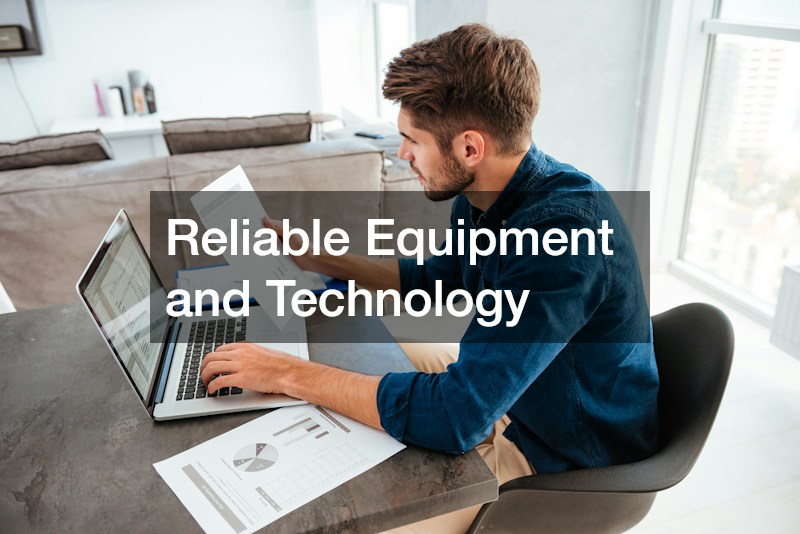
Many businesses depend on physical equipment to get work done. Manufacturing companies may need machinery, while warehouses rely on material-handling equipment. Construction and property-related businesses may require specialized tools and vehicles.
Equipment management therefore becomes an important part of daily operations. Businesses need to know what equipment they own, what condition it is in, when it needs maintenance, and whether purchasing, leasing, or renting makes the most financial sense.
For companies that need temporary material-handling capacity, used forklift rentals can provide an option for meeting operational needs without making a permanent equipment purchase.
Technology is equally important in many modern workplaces. Businesses may depend on accounting platforms, customer relationship management systems, inventory software, scheduling tools, communication programs, and cybersecurity systems.
The goal is not to adopt technology simply because it is available. Good businesses select tools that solve actual problems and establish processes for using them consistently.
Maintaining a Safe Workplace
Safety is another responsibility that often happens outside the customer’s view. Businesses need to identify potential hazards, maintain equipment, train employees, and establish procedures for responding to emergencies.
Workplace safety looks different depending on the industry. A manufacturing facility may focus heavily on machinery and protective equipment, while an office may place greater emphasis on ergonomics, fire safety, and emergency procedures.
Regular inspections can help identify problems before they become serious. Employees should also know how to report hazards and who is responsible for addressing them.
Businesses that involve specialized machinery may have additional safety considerations. For example, robotic fabrication can introduce unique operational requirements involving automated equipment, programming, maintenance, and employee training.
A strong safety culture is not limited to having policies in an employee handbook. It requires those policies to be reflected in everyday behavior.
Keeping Facilities in Good Condition
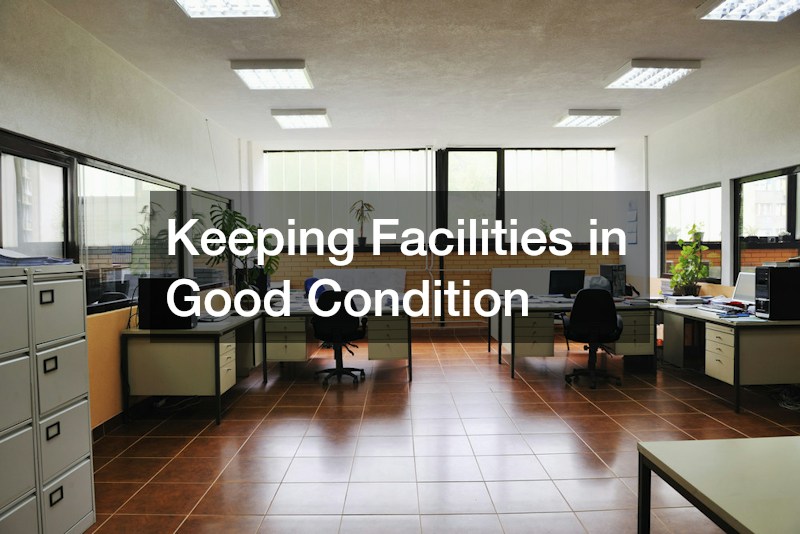
A business’s physical environment affects both employees and customers. Clean, functional facilities make it easier for people to work safely and efficiently.
Maintenance may involve everything from lighting and plumbing to heating, cooling, flooring, equipment, and exterior areas. Preventive maintenance can help businesses identify issues before they lead to larger disruptions.
Exterior property also requires attention. Depending on the location and type of business, companies may need landscaping, parking-lot maintenance, snow removal, or other property services.
When a property requires significant preparation or removal work, lot clearing companies may be brought in to handle tasks that would be difficult or inefficient for regular employees to complete.
The key is to treat facility maintenance as an ongoing responsibility rather than something that only receives attention when something breaks.
Managing Inventory and Supplies
Inventory management can have a major effect on a company’s efficiency. Too little inventory can lead to delays, while too much can tie up money and create storage problems.
Businesses need reliable methods for tracking what they have, what they need, and how quickly particular supplies are being used. Regular inventory checks can help identify discrepancies and prevent employees from discovering that an essential item is unavailable at the worst possible time.
Supply management also extends to everyday workplace necessities. Cleaning products, packaging materials, office supplies, protective equipment, and other consumables all need to be replenished.
A company that manufactures its own products may have even more complicated supply requirements. For example, a manufacturer producing specialty soaps may need commercial soap making equipment along with appropriate ingredients, storage, packaging, and quality-control procedures.
Handling Waste Responsibly
Waste management may not be the most visible part of business operations, but it can become a significant logistical issue.
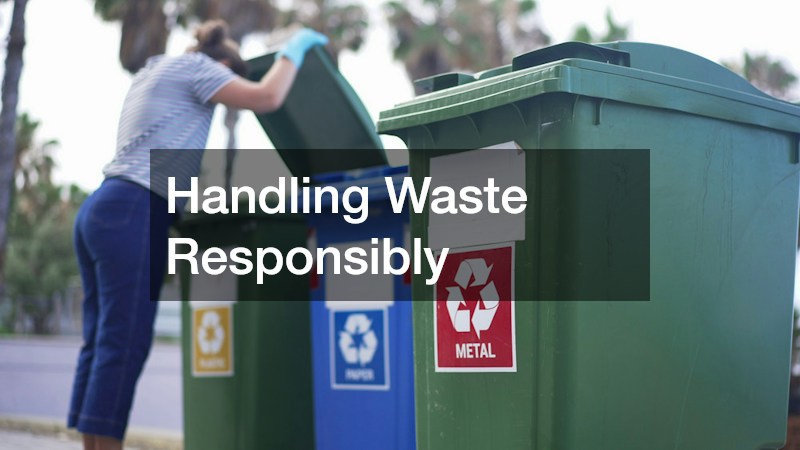
Restaurants, construction companies, manufacturers, retailers, offices, and other businesses can generate different types and quantities of waste. Companies need to determine how waste will be stored, collected, and disposed of appropriately.
A dumpster rental company may provide temporary or ongoing waste containers depending on the business’s needs and the type of project taking place.
Businesses should also consider how they can reduce unnecessary waste. Better inventory practices, reusable materials, recycling programs, and thoughtful purchasing decisions may reduce both environmental impact and operating costs.
Waste management is especially important during renovations, relocations, seasonal cleanouts, or major construction projects, when normal waste volumes can increase significantly.
Protecting the Business Legally
Legal considerations exist in virtually every industry. Businesses may need contracts, employment policies, licensing, insurance, intellectual property protections, lease agreements, or guidance regarding regulations.
Business lawyers can help companies address legal questions before problems arise. Their work may involve reviewing agreements, helping with business structures, advising on regulatory matters, or assisting with disputes.
Legal planning is often most effective when it happens proactively. Waiting until a dispute develops can leave a business with fewer options and less time to respond.
Companies should also make sure important records are organized and accessible. Contracts, permits, insurance documentation, employee records, and other essential documents should be maintained according to applicable requirements.
Preparing for Unexpected Problems
Even a well-organized company will encounter unexpected situations. A supplier may miss a delivery, equipment may fail, a customer may dispute a transaction, or an employee may suddenly be unavailable.
Contingency planning gives businesses a framework for responding when normal operations are interrupted.
A business might identify backup suppliers, maintain emergency contact lists, keep replacement equipment available, or cross-train employees so that essential responsibilities do not depend on one person.
Some businesses also face unusual circumstances that require specialized services. For example, an organization dealing with a legal situation involving an employee or customer may need to understand how a bail bond company fits into the broader process, depending on the circumstances and jurisdiction.
The specific contingency plans will differ, but the underlying principle remains the same: preparation can reduce the disruption caused by unexpected events.
Maintaining Clean and Healthy Workspaces
Cleaning is another behind-the-scenes responsibility that can have a direct impact on daily operations.
A clean workplace can help employees work more comfortably and can contribute to a professional customer experience. Different industries require different levels and types of cleaning.
A restaurant, for instance, has very different sanitation requirements from an office. Commercial kitchen cleaning services may be used to address grease, food residue, equipment surfaces, floors, and other areas that require specialized attention.
Businesses may also need routine janitorial services, restroom supplies, floor care, window cleaning, or specialized sanitation.
Pest management can be equally important. An exterminator may help businesses address pest problems and establish prevention measures appropriate to the property.
These services are easy for customers to overlook when everything is working properly. That is often the point: effective maintenance happens consistently enough that problems do not become obvious.
Supporting Employees
Employees are central to the operation of most businesses, and supporting them requires more than simply assigning tasks.
Good internal management includes training, communication, scheduling, performance feedback, workplace policies, and opportunities to develop new skills.
Training is particularly important when employees use specialized equipment or perform tasks with safety considerations. New employees should understand not only what they are expected to do but also why procedures exist.
Communication matters just as much. Employees need channels for asking questions, reporting problems, sharing ideas, and receiving important updates.
Managers also need to recognize when a process is creating unnecessary difficulties for employees. A system that looks efficient from a management perspective may be frustrating or impractical for the people using it every day.
Building Strong Vendor Relationships
Businesses rarely operate entirely on their own. They depend on vendors, contractors, suppliers, service providers, financial institutions, technology companies, and other partners.
Strong vendor relationships can make daily operations more predictable. Businesses should know what they are purchasing, understand contract terms, track performance, and communicate expectations clearly.
It can also be useful to avoid unnecessary dependence on a single supplier when a disruption could seriously affect operations. Depending on the industry, alternative suppliers may be identified for important materials or services.
Vendor relationships should be reviewed periodically. A company may grow, change locations, introduce new products, or adopt different operating methods. Its vendor requirements can change along with it.
Monitoring Quality
Quality control is another activity that customers may not see directly. Businesses need processes for making sure products and services meet their standards consistently.
Quality checks might involve inspections, testing, customer feedback, documentation, or employee reviews.
When a problem is identified, the goal should not simply be to correct that individual mistake. Businesses should also ask why it happened and whether a process can be changed to reduce the chance of it happening again.
This creates a cycle of continuous improvement. Instead of accepting recurring problems as unavoidable, the company looks for opportunities to make its systems stronger.
Using Data to Make Decisions
Well-run businesses use information to guide their decisions. Sales numbers, customer feedback, inventory levels, operating costs, employee performance, and other measurements can reveal patterns that are difficult to see through intuition alone.
Not every business needs an elaborate analytics department. Even a small company can track a few meaningful measurements and review them regularly.
The most useful metrics are connected to actual business objectives. Tracking dozens of numbers simply because software makes it possible may create more confusion than clarity.
Managers should ask what the data means, what has changed, and what action may be appropriate. Data is most useful when it supports a decision rather than simply filling a report.
Keeping Customers at the Center
Ultimately, behind-the-scenes operations should support the customer experience.
Customers may not know how inventory is organized, how equipment is maintained, how employees are trained, or how financial records are managed. They notice the results.
They notice when orders arrive on time, employees have the information needed to answer questions, facilities are clean, products are consistent, and problems are resolved efficiently.
That means customer service is not limited to the person answering the phone or standing behind a counter. It is connected to nearly every internal system within the organization.
Creating a Business That Works Consistently
A well-run business is rarely the result of one perfect system. It is usually the result of many smaller systems working together.
Financial planning supports purchasing and hiring decisions. Equipment maintenance helps prevent operational interruptions. Employee training supports safety and quality. Vendor relationships help keep supplies available. Legal planning protects the company’s interests. Cleaning and maintenance keep facilities functional.
When these behind-the-scenes responsibilities are handled consistently, the business has a stronger foundation for serving its customers and adapting to change.
The most important work may not always be visible from the outside. In many cases, that is a sign that the systems are doing what they are supposed to do. A well-run business creates enough structure, communication, preparation, and accountability that everyday operations can continue smoothly even when challenges arise. By strengthening the processes customers do not see, companies can create a more dependable experience for the people they serve.